Discover how Professor Julie Redfern’s vision for developing innovative digital strategies have transformed cardiovascular disease prevention, reaching beyond traditional programs to deliver health services reform at the national level.
In the past century, there have been major developments in the traditional rehabilitation care for cardiovascular disease. Such advancements have resulted in increased survival rates after initial heart attacks and improved lifelong cardiovascular risk management.
However, traditional cardiac rehabilitation programs were designed over 60 years ago and changing this ‘one size fits all approach’ to a more contemporary model that is patient centred brings about complexities.

A clinically trained physiotherapist working to prevent future cardiovascular events for people with heart disease, Professor Julie Redfern knew she wanted to help fill the gap in care between patients who attended traditional cardiac rehabilitation programs and those who did not.
‘With my own eyes, I identified issues with the traditional approach and while I knew the patients really enjoyed the programs, I was more conscious of the people that weren’t coming. What happens to the people after they leave and are we really tackling all of the risk factors?’ said Professor Redfern.
Supporting these patients in a more innovative and scalable way is what drove Professor Redfern to question whether digital health strategies could provide a more holistic, secondary prevention care for people with cardiovascular disease.
From text messaging to interactive mobile applications, if effective, these strategies could reach people beyond the traditional 10-week rehabilitation program and could also provide prolonged support due to their flexibility.
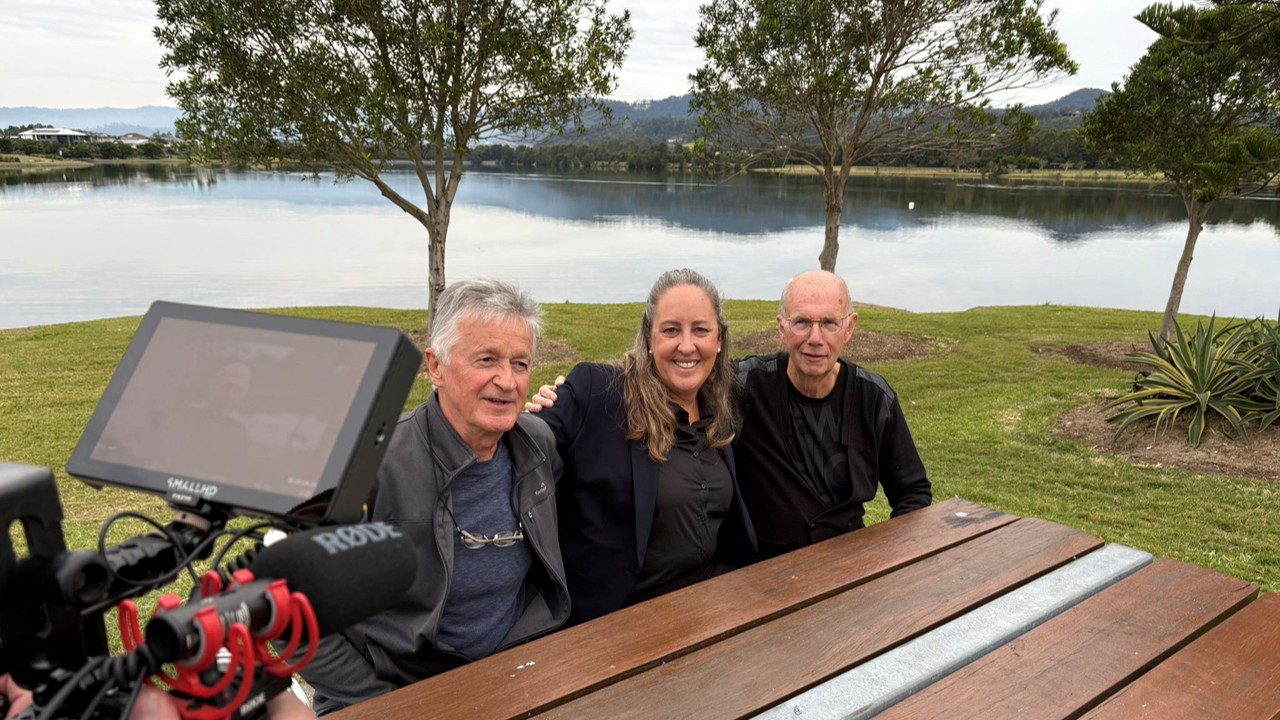
Through effective co-design and interactions with people with lived experience, Professor Redfern sought to develop a more efficient way that the healthcare system could deliver care that helped keep people out of hospital, supported people in taking prescribed medications, improved quality of life and ultimately prevented future heart attacks.
Being told what to do to maintain optimal health is one thing, but providing behavioural support for people to enact change on a personal level is invaluable. The success of the digital interventions was evident in how quickly patients adapted to them and began to expect their use over time. It wasn’t until the very first focus group that Professor Redfern facilitated that she realised the impact of intervening with such a simple form of communication like a text message.
‘It's interesting how we think people want something very complex and complicated, but we actually forget that people want something quite simple, supportive and positive’ said Professor Redfern.
It is that creative spirit, boldened with a desire of creating new ideas to solve problems that has led Professor Redfern to create change at a policy, provider and service level. And at a patient level, the overarching goal is to ensure that they receive the support they need to live their best lives.
Next steps
With a focus on patient involvement, interdisciplinarity, unity and collaboration, Professor Redfern is rolling out and evaluating the implementation of a national cardiac rehabilitation quality initiative. This initiative is fundamental to the NHMRC Synergy Grant (SOLVE-CHD), she leads as CIA, and will strengthen clinician training, program quality and data collection systems. To optimise achievement of lifelong cardiovascular health for all, Professor Redfern’s research will champion improved reach and quality of care through international advocacy and World Heart Federation leadership. Professor Redfern’s leadership also extends to another joy of hers – developing the next generation of early career researchers and continuing to provide the level of mentorship that formed her own career in health and medical research.
Chief investigator: Professor Julie Redfern AM
Administering institution: Bond University (previously The University of Sydney)
Team members:
- Professor Clara Chow
- Dr Aranvinda Thiagalingam
- Dr Karla Santo
- Dr Anna Singleton
- Dr Karice Hyun
- Dr Rebecca Raeside
- Dr Nashid Hafiz
- Professor Christine Jenkins
- Dr Qiang Tu
- Dr Andrew Knight
- Professor Charlotte Hespe
- Professor Tom Briffa
- Professor Robyn Gallagher
- Professor Christopher Reid
- Professor David Hare
- Professor Nicholas Zwar
- Ms Deborah Manandi
- Professor Mark Woodward
- Dr Emily R Atkins
- Professor Elizabeth Halcomb
- Professor Tim Usherwood
Grant: Career Development Fellowship
Year: 2017–2021
Funding amount: $494,016